
Saving our creative arts industry
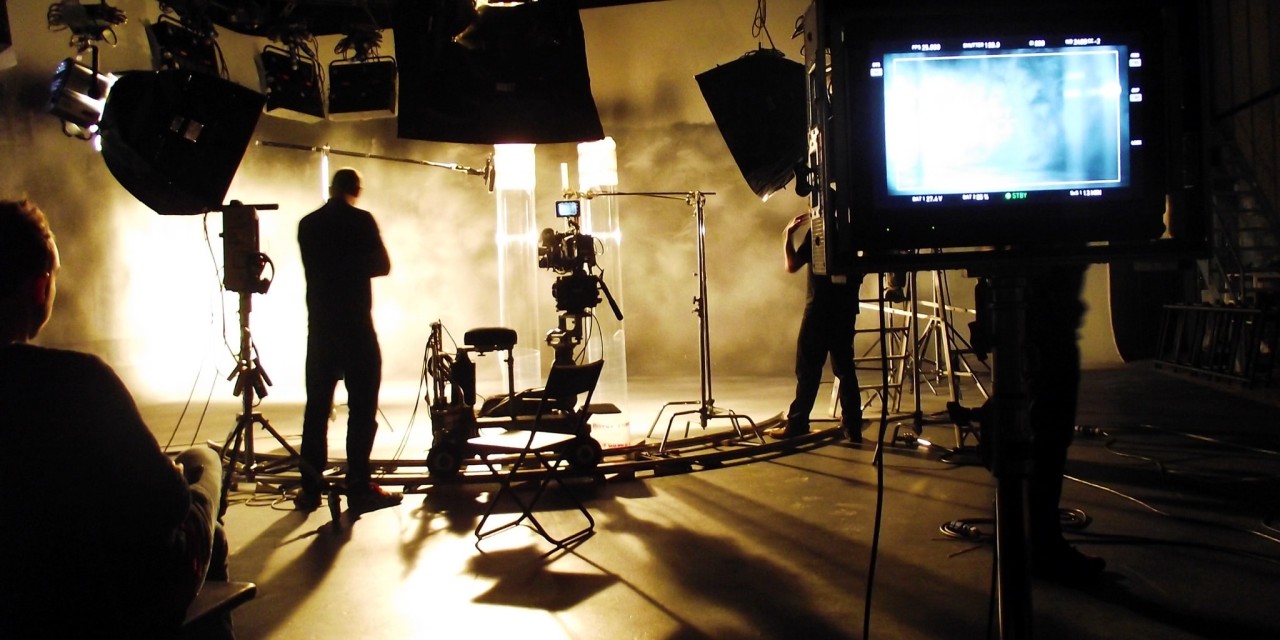
Through recent work with some of our clients, it’s been really brought home to me that film, television and theatre are among the worst hit industries by the pandemic.
You may argue that other sectors are so much more important as an economic driver, so why should we care about creative arts? The creative industry is not classed as top priority in the eyes of funding schemes given our current circumstances, but people underestimate the role it plays in society and how it can help us through these uncertain times. Throughout lockdown (and likely long after it passes), people are searching for escapism more than ever- to distract them from reality and remind them that life will return to normal. And, incidentally, it’s a multi-billion pound industry with thousands of jobs.
Throughout history, we have learnt to understand, and therefore overcome, an issue through its representation in a creative medium. We rely on these mediums to explore wider crises in a way that educates us and helps us move on; we need the arts to survive lockdown, these are the means that will carry us forwards. Some of the most impactful work in film, TV and theatre was born out of a struggle.
Since lockdown began, these industries have fought to find ways to bring us the entertainment we love. The Globe Theatre has been streaming plays on its website for rent or purchase to help it get by since closing its doors. Smaller arts organisations and individuals have launched funding campaigns on various platforms, providing skills workshops and behind-the-scenes access, tailored performances, exclusive offers and more to supporters new and old. Even Disney+ offered customers their first month free and gained more than 22 million new subscribers.
With this in mind, some may be under the impression that the industry, from bottom to top, is finding a way through. But I urge you to look wider than those represented by large corporate companies with high visibility. The creative industry is one of the biggest employers of freelance staff, whether it be lighting designers, producers, writers or crew, and these underdog creatives will be hit hard by lockdown. Theatre companies early on in this crisis felt they were not recognized as worth saving, as debates over public vs private arts funds have long been in dispute. Aside from the funding given by councils and charities, it is unlikely that the arts will get much consideration in recovery funding. These are the cogs that turn the culture we thrive off, and if we fail to support them during a time where they struggle to share their art, we may not have much of a creative industry to come back to.
Above all else, the creative arts industry is what inspires work like mine. Consuming creative arts is what keeps our ideas fresh and energized, so that the next time we’re sat in a room brainstorming a campaign, we feel inspired and don’t recycle the same stale thoughts. Aside from helping us overcome the pandemic and the need to support non-represented creatives, the arts are our ultimate source of creative energy.
So, accept a postponed ticket instead of demanding for a refund, consume a short indie film instead of that Hollywood blockbuster you’ve seen a million times and maybe pay a small fee to watch a play online or learn how stage acrobats do their job. It’s the least we can do to help an industry that inspires us all on a daily basis.
Author: Hannah Moore
Full Blog Post Here